Visit Europe Travel strategy: Your Ultimate Framework
In this article
Embarking on a European chance is a thrilling prospect. To be honest, with its many of destinations, cultural richness, and historical depth, Europe has something to offer every traveler. To guarantee you make the most of your journey, it 's essential to adopt effective travel strategies. This guide will provide you with a extensive framework for planning your trip, budgeting, packing, and more.
Key Strategies for Visiting Europe
To travel Europe in effect, consider employing the pursual strategies. These will help you navigate the continent 's diverse cultures and attractions with ease.
- Plan Your Itinerary: Create a flexile docket to maximize your time in each destination.
- Use Public Transport: Familiarize yourself with local transportation options to save money and explore cities ilk a local.
- Travel Off-Peak: Avoid peak tourist seasons to enjoy lower prices and fewer crowds.
- Learn primary Local Phrases: Enhance your traveling experience by communicating in the local language, I mean, even if just a few words.
- Stay in Central Locations: volume accommodation close to major sights to reduce travel clip and expenses.
These strategies can significantly advance your travel experience, providing both cost-effective and enriching adventures throughout Europe.
Planning Your European Trip: A Step-by-Step Guide
Organizing a trip to Europe can seem overwhelming, but breaking it down into manageable steps simplifies the process. Here ’ s how to plan effectively:
- Set a Budget: Determine your spending limits for flights, accommodations, and day-to-day expenses.
- Choose Destinations: Select countries and cities based on interests and budget.
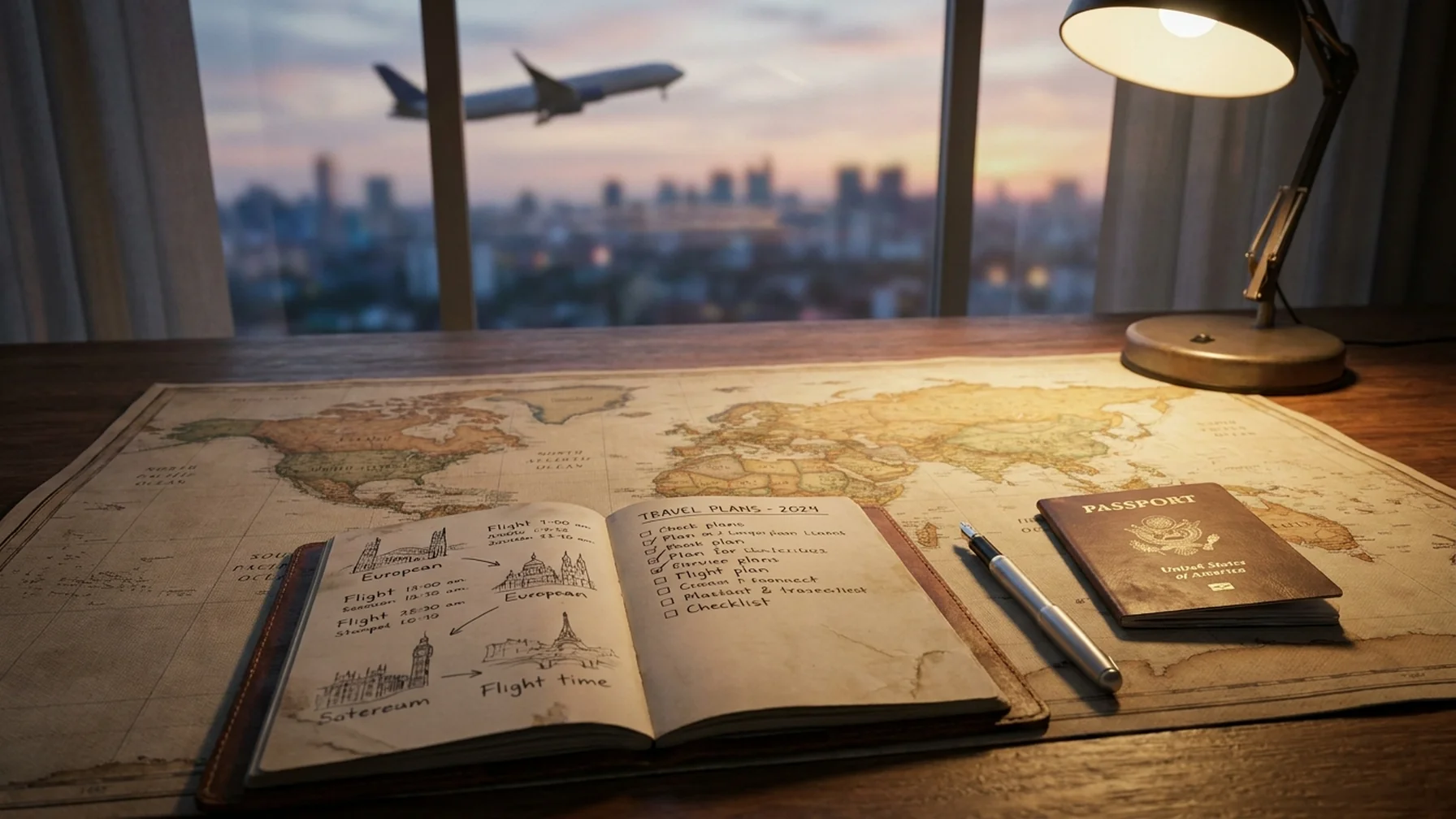
- Create an travel guidebook: Outline your route and schedule to make the most of each location.
- Book Flights and adjustment: Secure these early to get the topper deals.
- Pack Smart: tilt requirement based on the climate and activeness of your destinations.
By following these steps, you can ensure a smooth and enjoyable traveling experience, allowing you to focus on research and enjoying your trip.
Traveling EEC on a Budget
Exploring Europe does n't have to be expensive. Here are some strategies to keep your costs down:
- Travel Off-Season: visit during late fall or early spring can help you salvage on flights and accommodations.
- Use Rail Passes: contemplate purchasing a Eurail pass for flexile and cost-effective train travel.
- Stay in Hostels: hostelry offer budget-friendly lodging and opportunities to meet other travelers.
- Eat ilk a local anesthetic: Opt for street food or local anesthetic markets to save on dining expenses.
- Explore release Attractions: Many cities offer free walk tours and museums on specific days.
By focusing on these budget-friendly strategy, you can bask EEC 's wonders without overspending.
Best Times to Visit Europe
The timing of your trip can greatly impact your experience. Here are tips for selecting the topper clip to visit Europe:
- Summer ( June-August ): Ideal for beach destination and outdoor activities, but expect larger crowds and higher prices.
- Fall ( September-November ): savor milder weather and few tourists, perfect for exploring city and ethnical events.
- Winter ( December-February ): Experience magical Christmas market and winter sports in the Alps.
- Spring ( March-May ): Witness blooming landscapes and pleasant temperatures, with fewer tourist than in summer.
Consider your interest and tolerance for crowd when deciding the best season for your European adventure.
Essential wadding tilt for Europe
Packing efficiently can make your trip more gratifying. Here 's a fundamental packing list for Europe:
- Clothing: Versatile layers, you know, comfortable walking shoes, and weather-appropriate attire.
- Documents: Passport, traveling insurance, and copies of important documents.
- Electronics: Phone, charger, and travel adapter for European outlets.
- Toiletries: Travel-sized essentials and any personal items.
- Extras: Reusable water bottle, daypack, and a good book or journal.
Tailor your boxing tilt based on your specific destinations and planned activities to assure a hassle-free trip.
Quick Comparison of Connectivity Options
Staying connect while traveling is crucial. Surprisingly, here 's a comparing of popular connectivity option while in Europe:
| Option | Benefits | Considerations |
|---|---|---|
| Local SIM Card | Cost-effective, local rates | Requires an unlocked phone |
| Portable Wi-Fi Device | Connect multiple devices | Rental cost, must keep charged |
Choosing the right connectivity option can upgrade your travel experience by keeping you in touch and informed.
Final Travel tip for Beginners
For those new to international travel, these additional bakshis will help you navigate cultural nuances and ensure connectivity during your trip:
- Learn Basic phrase: Master greetings like `` hello '' and `` thank you '' in languages such as French ( `` bonjour, '' `` merci '' ) or Italian ( `` ciao, '' `` grazie '' ).
- Stay Connected: Opt for a topical anesthetic SIM card from providers like Orange in France or Vodafone in Germany, or rent a portable Wi-Fi device.
- Be Open-Minded: Try local foods such as tapas in Spain or baklava in Greece, and be flexible with your itinerary to accommodate spontaneous adventures.
- Document Your Travels: Use apps for digital journaling or carry a small notebook to jot down daily highlights and thoughts.
By following these strategy and tips, you ’ ll be well-prepared to embark on a memorable European adventure.