How to Create Travel Itineraries: A Step-by-Step Guide
In this article
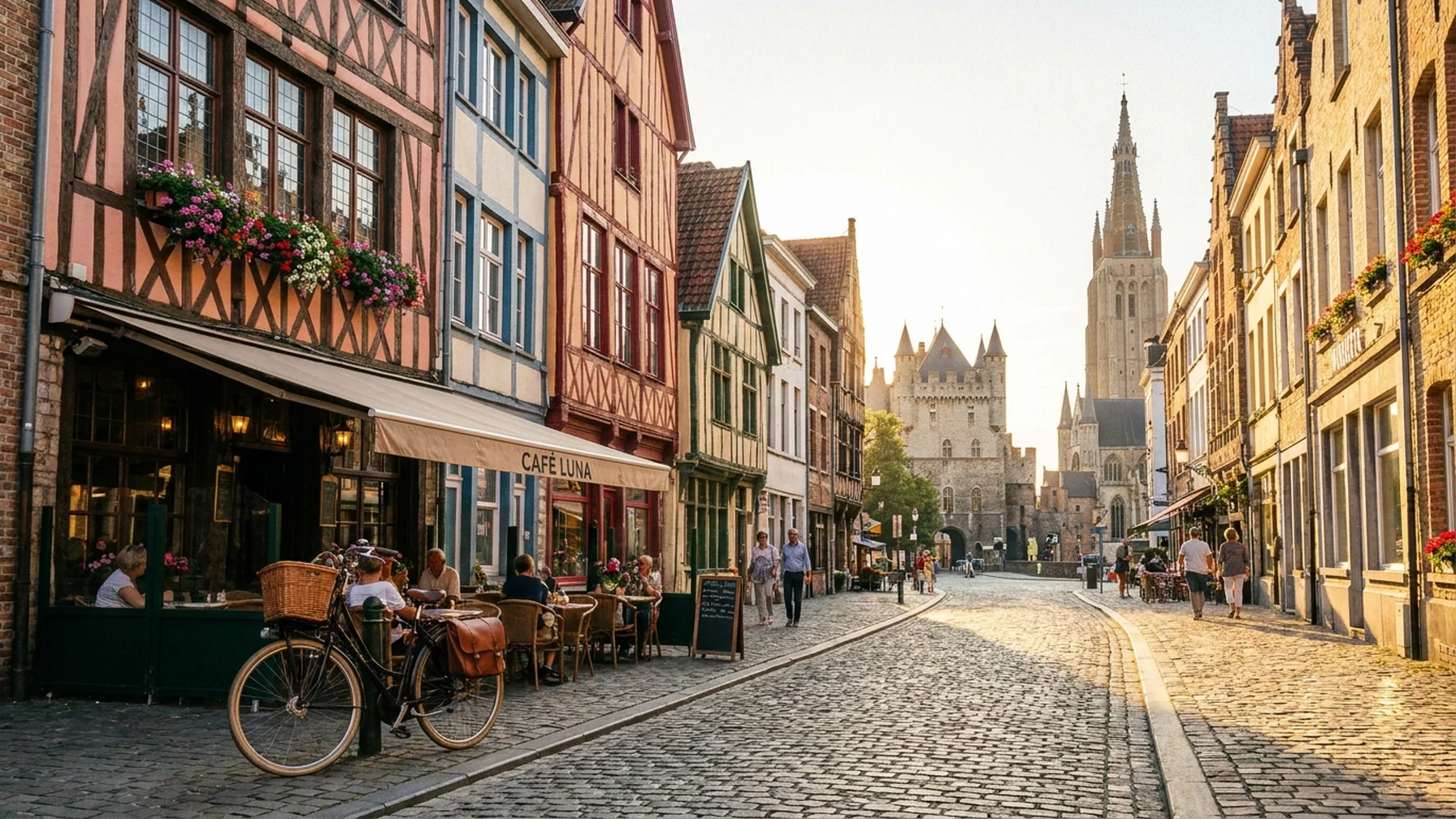
Creating a travel itinerary can transform your trip from a jumble of ideas into a seamless adventure. Whether you're traveling solo, planning a budget-friendly escape, or exploring the best places in Europe, a well-crafted itinerary helps you make the most of your journey. Imagine walking the cobblestone streets of Rome with a clear plan or relaxing on a Thai beach with every detail sorted. A travel itinerary is not just about ticking off destinations; it's about crafting a memorable experience that aligns with your interests and goals. Here’s a practical guide on how to create travel itineraries that cater to your travel objectives, ensuring an enriching and stress-free adventure.
Research and List Your Destinations
Once your goals are clear, start researching potential destinations. Consider the best places to visit in Europe or the most exciting locations in Asia if those regions appeal to you. For solo travelers, look into the best places to travel alone. Compile a list of places that align with your interests and time frame. For example, a cultural enthusiast might list destinations like Kyoto for its historical temples or Florence for its art museums. A budget traveler might lean towards Eastern Europe, where costs are generally lower.
Define Your Travel Objectives
Before diving into the details, clarify what you want from your trip. Are you looking for the best beaches, or is a cultural exploration more your style? Perhaps you’re planning a honeymoon. Defining your objectives will guide your itinerary planning process. For instance, if you’re aiming for a honeymoon, you might prioritize romantic destinations and activities, while a solo traveler might focus on immersive cultural experiences.
Plan Around the Best Time to Visit
Timing can make or break a trip. Research the best time to visit your chosen destinations for favorable weather and local events. For instance, Europe in spring offers pleasant temperatures and fewer crowds, while Asia's tropical regions are best visited during the dry season. A family planning a summer holiday might choose to visit Australia in December for its warm beaches, whereas someone seeking winter sports might head to the Swiss Alps in January.
Budgeting Your Journey
Traveling on a budget requires careful planning. Identify affordable destinations and look for ways to save money. Consider budget-friendly accommodation options and local eateries. Utilize resources that specialize in budget travel tips to maximize your savings. For example, a student traveling through Europe might use Eurail passes for affordable train travel and stay in hostels to cut costs.
Booking Flights and Accommodation
Securing cost-effective flights is essential for budget-conscious travelers. Use flight comparison tools and set alerts for price drops. When booking accommodation, consider a mix of hostels, guesthouses, or budget hotels to keep costs down. Booking in advance can often lead to better deals. For instance, a traveler planning a trip to South America might book flights to Argentina months in advance to secure low rates, and choose a mix of hostels and local guesthouses for an authentic experience.
Create a Daily Itinerary
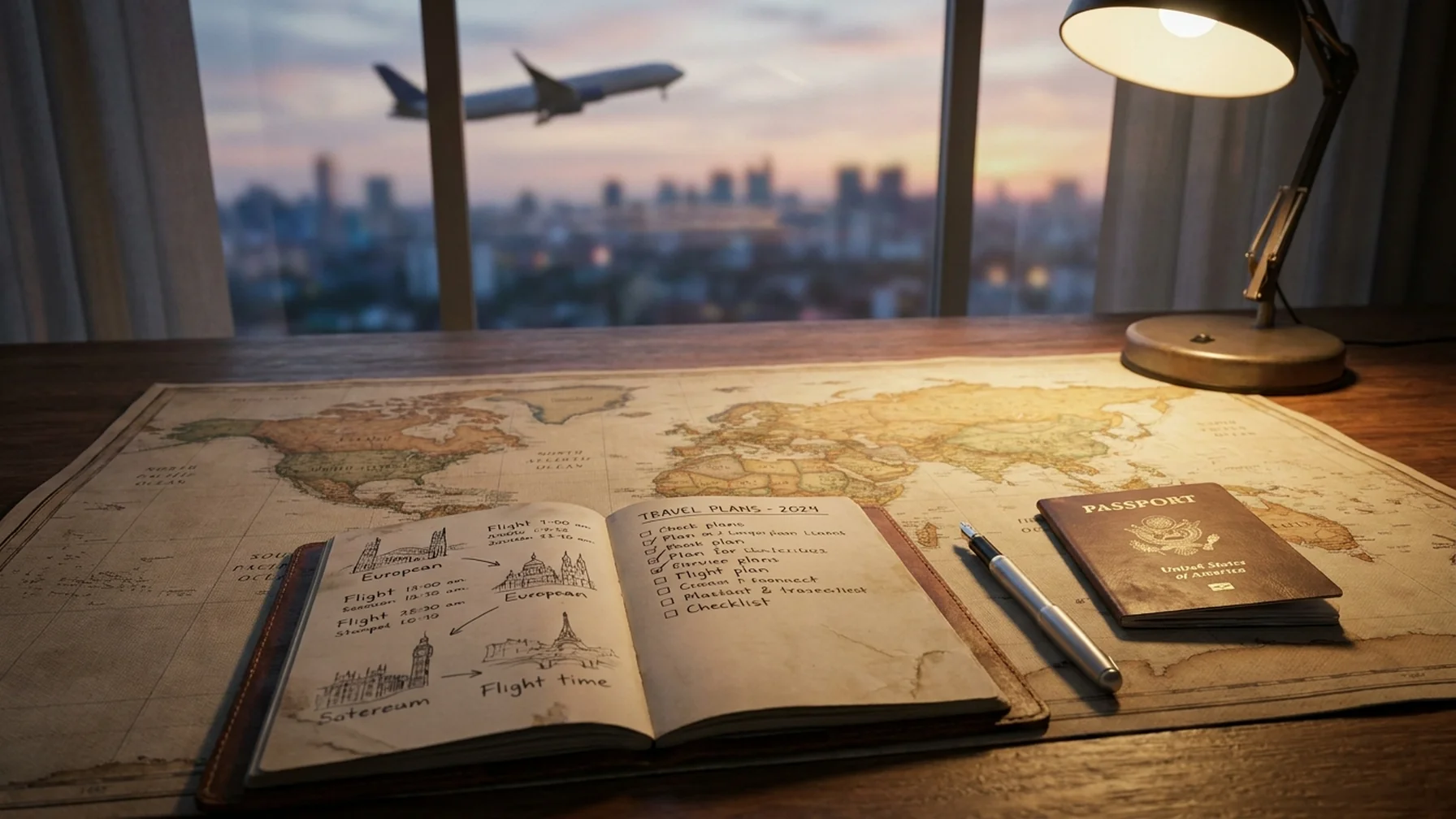
Now that you have your destinations and bookings sorted, create a daily itinerary. Outline your activities for each day, including sightseeing, dining, and relaxation. Remember to allow for some flexibility; sometimes the best experiences are unplanned. A daily itinerary serves as a guide but don’t hesitate to adjust as new opportunities arise.
- Day 1: Arrival and local exploration
- Day 2: Major attractions and cultural experiences
- Day 3: Excursions or day trips
- Day 4: Relaxation and leisure
- Day 5: Departure and final explorations
Consider a solo traveler in Japan who uses this structure, spending the first day in Tokyo exploring local markets, followed by a day trip to Mount Fuji, then relaxing in a Kyoto onsen.
Pack Smart and Light
Creating a travel packing list is essential. Consider what to pack for a trip based on your destinations and activities. Essentials include clothing suited to the climate, travel documents, and a small first-aid kit. Remember, less is more; pack light to keep your travels hassle-free. A minimalist approach not only makes moving around easier but also saves on potential baggage fees.
Prepare for Solo Travel
If you're planning to travel alone, there are specific tips to enhance your experience. Research the best places to visit alone, ensuring they are safe and accommodating for solo travelers. Embrace the freedom of setting your own pace and itinerary. For example, a solo traveler might choose cities known for their safety, like Copenhagen or Tokyo, and enjoy the freedom to spontaneously join local tours or events.
Incorporate Travel Tips for Beginners
New to travel? Start with travel tips for beginners. Learn how to get a passport if you don’t have one and familiarize yourself with basic travel etiquette and safety measures. These tips will help you navigate your journey with confidence. A beginner might find resources on how to pack efficiently, manage travel documents, and use public transportation in foreign countries.
Final Thoughts and Adjustments
After crafting your itinerary, step back and review it. Ensure that it aligns with your travel goals and budget. Make necessary adjustments to enhance your travel experience. Whether your focus is on adventure, relaxation, or cultural exploration, a well-thought-out itinerary can make all the difference.
Sample Travel Itinerary Table
Below is a sample table to help visualize a potential itinerary structure.
| Day | Activities | Notes |
|---|---|---|
| Day 1 | Arrival and local exploration | Check into accommodation, explore nearby attractions |
| Day 2 | Major attractions | Visit must-see sites, try local cuisine |
| Day 3 | Day trip | Explore surrounding areas or take a guided tour |
| Day 4 | Relaxation | Spend time at leisure spots, enjoy local spas |
| Day 5 | Departure | Last-minute shopping or sightseeing before heading home |
By following these steps, you can create a travel itinerary that not only meets your expectations but also enhances your travel experience. Remember, the key to a successful trip is a balance of planning and spontaneity. Happy travels!