Exploring Museums in Europe: A Cultural Journey
In this article
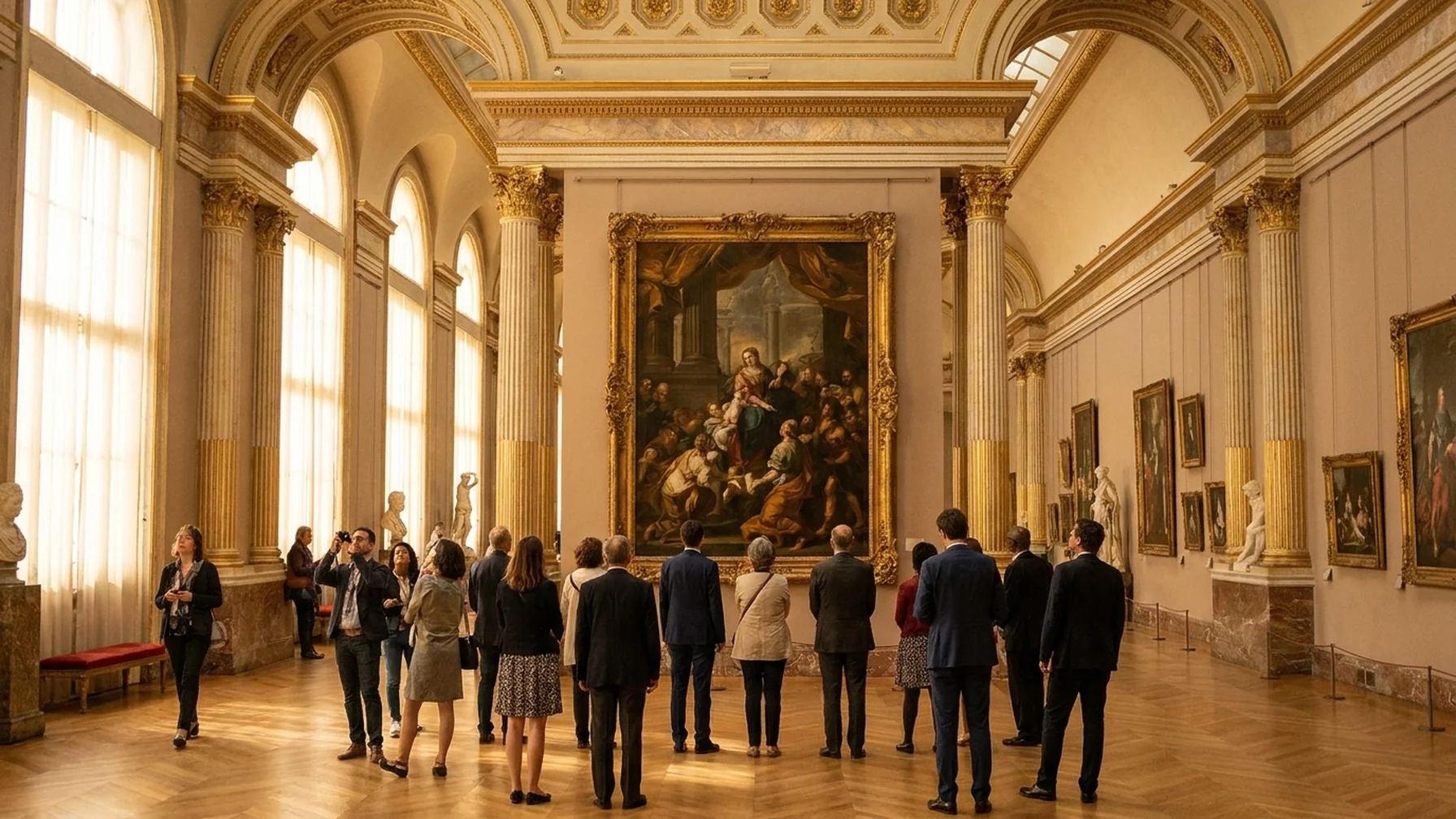
Exploring museums in Europe offers a window into the continent's rich tapestry of history, art, and culture. Whether you're a seasoned traveler or a curious newcomer, Europe's museums provide an unparalleled opportunity to delve into the past and understand the forces that have shaped the modern world. This guide will help you discover the best places to visit and plan your trip efficiently.
Top Museums to Visit in Europe
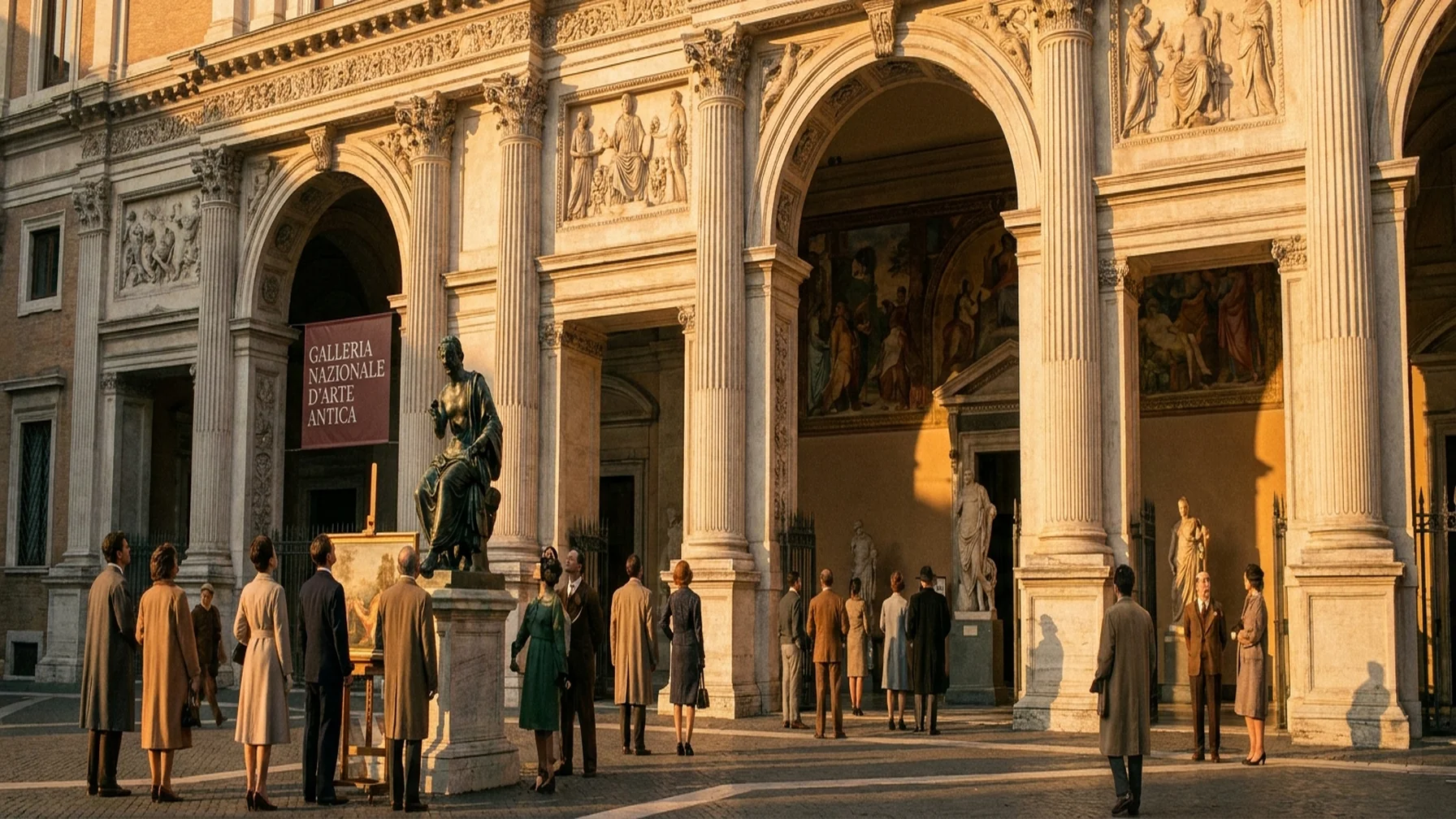
Europe is home to some of the world's most renowned museums. Here are a few that you shouldn't miss:
- The Louvre, Paris, France: Famous for the Mona Lisa, this iconic museum offers over 35,000 works of art.
- The British Museum, London, UK: Explore human history through artifacts like the Rosetta Stone and Egyptian mummies.
- Vatican Museums, Vatican City: Home to the Sistine Chapel, these museums showcase stunning religious art.
- Rijksmuseum, Amsterdam, Netherlands: Discover Dutch masterpieces, including works by Rembrandt and Vermeer.
- Prado Museum, Madrid, Spain: A must-visit for lovers of Spanish art, featuring works by Goya and Velázquez.
Each of these museums offers a unique glimpse into the cultural heritage of its respective country, making them essential stops on your European adventure.
Planning Your Museum Tour
To make the most of your museum visits, careful planning is crucial. Here are some tips to help you organize your trip:
- Choose Your Destinations: Focus on a few countries to avoid feeling rushed. Consider your interests and the type of exhibits you wish to see.
- Research Museum Hours: Check opening times and any special exhibitions. Many museums offer free entry on certain days.
- Purchase Tickets in Advance: Save time and avoid long queues by buying tickets online before your visit.
- Create an Itinerary: Plan your days around museum visits, allowing time for other attractions and relaxation.
By organizing your itinerary, you ensure a stress-free experience that maximizes your enjoyment and learning.
Traveling on a Budget
Exploring museums in Europe doesn't have to break the bank. Here are some tips for budget-conscious travelers:
- Use Public Transport: Opt for buses, trams, or metros instead of taxis to save money.
- Stay in Hostels or Budget Hotels: Accommodation can be a significant expense, so choose wisely.
- Eat Like a Local: Enjoy affordable meals at local cafes and street food stalls.
- Look for Discount Passes: Many cities offer museum passes that provide discounted or free entry.
With a bit of planning and smart choices, you can explore Europe's museums without overspending.
Best Time to Visit Museums in Europe
The best time to visit museums in Europe depends on various factors such as weather, crowds, and special events. Generally, spring (April to June) and fall (September to October) are ideal for pleasant weather and fewer tourists. However, if you're looking to experience festive events or seasonal exhibitions, visiting during the winter holidays can be equally rewarding.
Consider the climate and cultural calendar of your chosen destinations when planning your trip to optimize your museum experience.
Packing List for a Museum Tour
When exploring museums in Europe, packing smartly can enhance your comfort and convenience. Here’s a suggested packing list:
- Comfortable walking shoes for long museum tours.
- A lightweight backpack to carry essentials.
- Notebook and pen for jotting down interesting facts or sketches.
- Camera or smartphone for capturing memorable exhibits.
- Reusable water bottle to stay hydrated.
Having the right gear will make your museum visits more enjoyable and keep you prepared for a day of cultural exploration.
Solo Travel Tips for Museum Lovers
Traveling alone to explore museums in Europe can be a liberating experience. Here are some tips for solo travelers:
- Plan Ahead: Research your destinations and make reservations in advance.
- Join Guided Tours: Enhance your understanding of exhibits by joining museum tours.
- Stay Connected: Use apps and online guides for information and navigation.
- Meet Other Travelers: Stay in hostels or attend museum events to connect with fellow art enthusiasts.
Solo travel offers flexibility and the opportunity to explore museums at your own pace, creating a deeply personal and enriching experience.
Exploring museums in Europe is a journey through time and culture, offering insights and inspiration at every turn. Whether traveling on a budget or indulging in a cultural extravaganza, Europe’s museums promise an unforgettable adventure. Happy travels!